
Honey is a remarkable natural product, often referred to as “liquid gold” for its rich, sweet taste and myriad of health benefits. But if you’ve ever tasted different varieties of honey, you’ve likely noticed that no two jars are exactly the same. Honey can have a wide range of flavors, from light and floral to deep and earthy, depending on several key factors. In this article, we’ll explore the reasons behind the diverse flavors of honey and what influences the taste of this delicious product.
1. The Role of Nectar Source
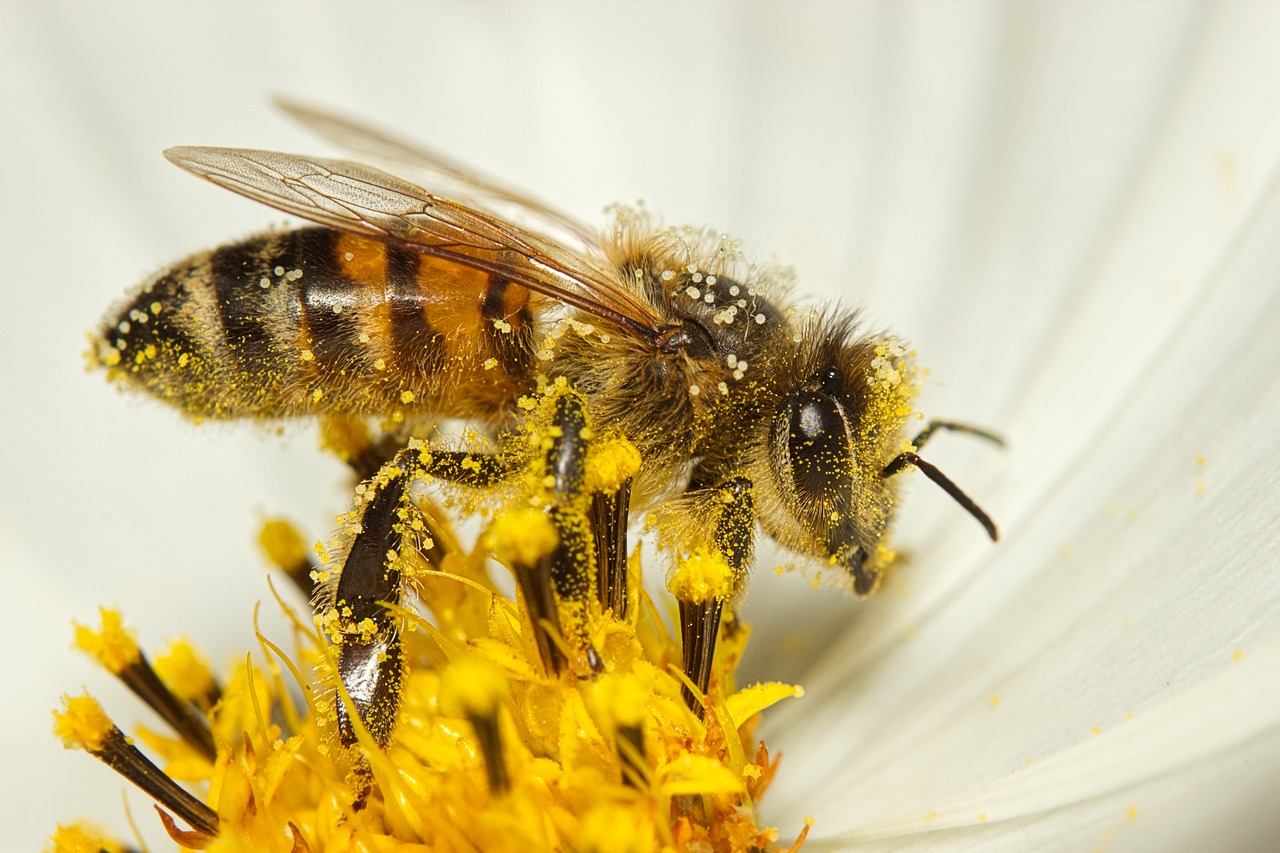
The primary factor influencing the flavor of honey is the type of nectar collected by the bees. Bees gather nectar from a variety of flowering plants, and each plant species has a unique combination of sugars, amino acids, and other compounds that contribute to honey’s flavor profile.
- Monofloral Honey: This type of honey is made primarily from the nectar of a single type of flower. For example, Manuka honey from the Manuka tree, Eucalyptus honey, or Lavender honey are examples of monofloral varieties. These tend to have distinct, recognizable flavors.
- Polyfloral Honey: Also known as wildflower honey, this variety is produced when bees collect nectar from many different types of flowers. The flavor of polyfloral honey can vary significantly based on the types of plants available to the bees during nectar collection.
Some well-known honey varieties and their flavors include:
- Clover Honey: Mild, sweet, and floral, often with a hint of spice. It’s one of the most common types of honey and typically has a light, golden color.
- Manuka Honey: This honey is renowned for its medicinal properties and has a strong, slightly bitter taste with earthy and herbal notes.
- Eucalyptus Honey: Found primarily in Australia, eucalyptus honey has a distinctive menthol or herbal flavor and can be quite bold.
- Orange Blossom Honey: This honey has a light, citrusy flavor, making it a favorite for those who enjoy fruity notes in their honey.
2. Regional and Seasonal Variations
Honey’s flavor is also influenced by where and when it is produced. The climate, soil conditions, and geography of a region affect the types of plants that grow there, which in turn influences the nectar available to bees.
Regional Influences on Honey Flavor
- Tropical Regions: Honey from tropical regions, where there are abundant flowering plants year-round, tends to have more intense, fruity, or spicy notes. The warm climate encourages the growth of plants with bold, rich nectar sources.
- Temperate Regions: In temperate climates, the honey may be milder and lighter, particularly when it’s collected from clover, alfalfa, or other soft-flavored plants that bloom in cooler conditions.
Seasonal Changes
- Spring Honey: Early in the season, bees collect nectar from blooming fruit trees, wildflowers, and other spring plants. Spring honey tends to be light, sweet, and floral.
- Summer Honey: As summer progresses, bees forage from different plants, such as herbs and flowering shrubs, which produce honey with richer, more complex flavors.
- Autumn Honey: Late-season honey can have darker, bolder flavors, often with molasses-like undertones as bees forage from plants that bloom later in the year, such as goldenrod or buckwheat.
3. Processing and Storage Methods
How honey is processed and stored can also subtly affect its flavor.
- Raw Honey vs. Processed Honey: Raw honey is honey that has not been heated or filtered, preserving its natural enzymes, pollen, and wax particles, which contribute to its depth of flavor. Processed honey, on the other hand, is often pasteurized and filtered to give it a smoother texture and longer shelf life, but this can remove some of the flavor complexity.
- Fermentation: If honey has a high moisture content and is improperly stored, it can ferment, developing sour or alcohol-like flavors. Although this is generally undesirable for table honey, fermented honey can be used in brewing mead (honey wine).
- Storage Conditions: Honey stored in cool, dark environments will retain its flavor for longer periods. Exposure to light, heat, or moisture can degrade honey’s taste, causing it to crystallize or lose some of its aroma and sweetness.
4. Bee Species and Their Influence on Honey Flavor
While the type of bee used in honey production has a smaller impact than the nectar source, different bee species can still influence honey flavor due to their foraging behavior and preferences.
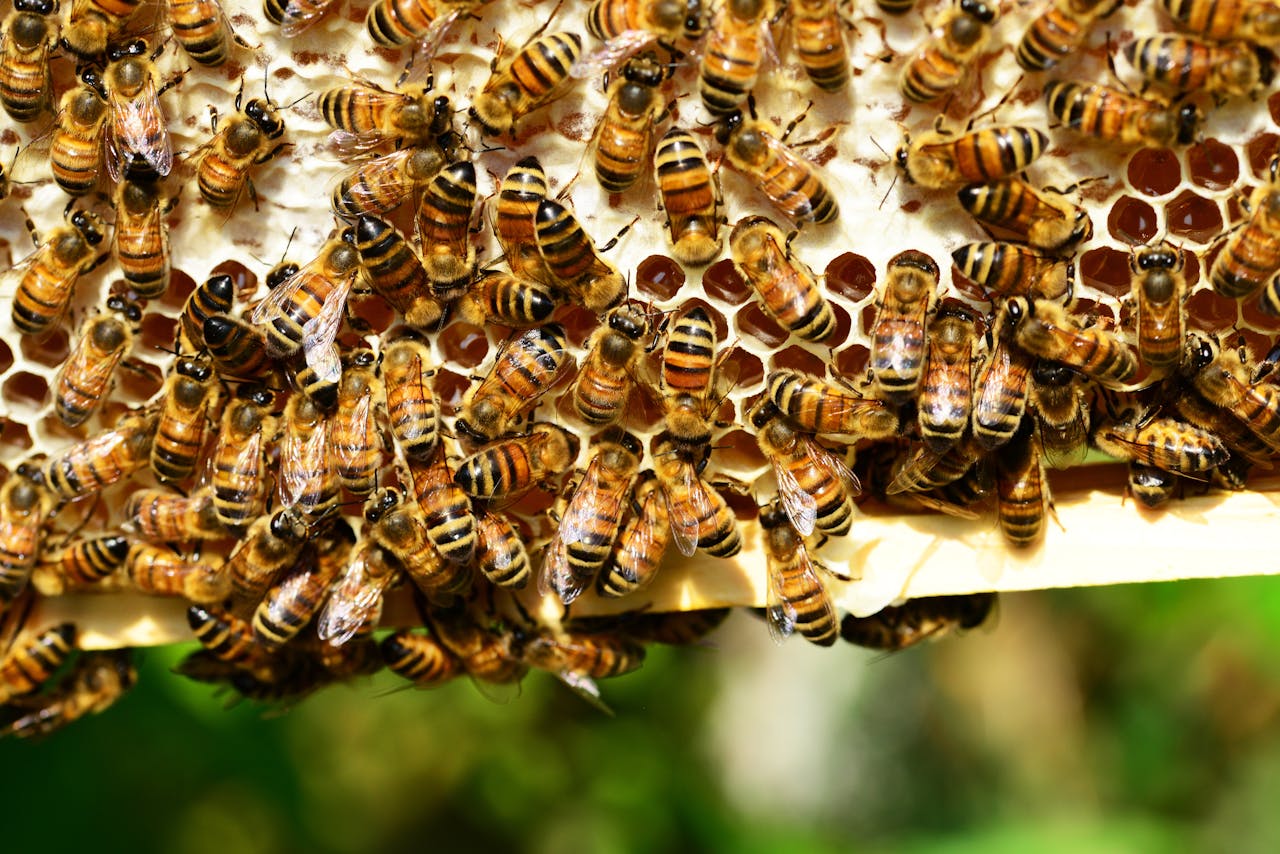
- European Honey Bees (Apis mellifera) are the most commonly used species for commercial honey production. They tend to produce large quantities of honey and forage from a wide range of plants.
- Native Stingless Bees (such as Tetragonula in Australia) produce a unique kind of honey known for its thinner consistency and slightly tart flavor. Native bee honey has a more intense flavor due to the different types of plants these bees pollinate.
5. Crystallization and Texture
The texture of honey can also influence how its flavor is perceived. Honey that has crystallized (a natural process where honey turns from liquid to a grainy or solid form) can taste slightly different than liquid honey. While crystallization doesn’t change the actual flavor, it can alter how sweet or bold the honey seems on your palate.
Crystallized honey tends to have a richer, creamier taste and feel, while liquid honey is often perceived as sweeter due to the way it dissolves on the tongue.
6. Environmental and Beekeeping Practices
The way beekeepers manage their hives and the environment surrounding them can also affect the flavor of honey.
- Pesticides and Chemicals: Exposure to chemicals or pesticides in the surrounding environment can negatively impact the taste of honey. Organic honey, where bees forage in areas free from synthetic chemicals, often has a purer, more natural taste.
- Sustainability Practices: Beekeepers who prioritize sustainable and ethical practices, such as allowing bees to overwinter with enough honey stores and avoiding over-harvesting, often produce higher-quality honey with more nuanced flavors.
7. Honey Maturity
The maturity of honey can also affect its flavor. Honey that is harvested too early, before the bees have had a chance to fully ripen the nectar, may have a higher moisture content and a less developed flavor. Fully ripened honey, on the other hand, is more concentrated, with richer, more intense flavors.
Conclusion
Honey’s incredible range of flavors is one of the many things that make it such a beloved and versatile food. The nectar source, regional and seasonal factors, bee species, and how the honey is processed and stored all contribute to the unique taste of each jar. Whether you prefer the light sweetness of clover honey or the bold earthiness of eucalyptus honey, there’s a flavor of honey to suit every palate.
Next time you enjoy a spoonful of honey, take a moment to appreciate the complexity behind its flavor — a true reflection of the flowers, bees, and environment that created it.
Have a favorite type of honey? Share your experience in the comments!