
A Guide to Maintaining Bee Hives in Australia: Essential Tips for Healthy and Productive Hives
Australia’s unique environment and diverse flora make it a prime location for beekeeping. Whether you’re a hobbyist with a single hive or managing a larger operation, maintaining healthy bee colonies is crucial for honey production, pollination, and ensuring the survival of these vital pollinators. In this article, we’ll explore the essentials of maintaining bee hives in Australia, covering everything from seasonal management to pest control.
Understanding the Australian Climate and Its Impact on Beekeeping
Australia’s climate varies dramatically, from the tropical north to the temperate south, and this affects how you maintain your bee hives. The key is adapting your beekeeping practices to the local environment. In northern regions, bees may be active year-round, while in southern areas, bees experience cooler winters and shorter nectar flows. Additionally, Australia’s diverse flora, such as eucalyptus and wildflowers, offer rich nectar sources that influence honey production and flavor.
Seasonal Hive Management
Maintaining healthy hives requires understanding the seasonal cycles of bees and the local environment. Here’s a guide to managing your hives throughout the year.
Spring: Hive Expansion and Nectar Flow
Spring is when bees become most active, as the warmer weather and blooming flowers provide ample nectar and pollen.
- Hive Inspection: Conduct regular inspections to ensure the queen is healthy and laying eggs. Look for brood patterns and ensure the bees are building up their population for the busy months ahead.
- Add Supers: As the colony grows, bees need more space to store honey. Add supers (boxes for honey storage) as needed to prevent overcrowding.
- Swarm Prevention: During spring, colonies may try to swarm as a natural method of reproduction. Prevent swarming by providing adequate space, splitting the hive, or managing queen cells.
Summer: Harvest and Hive Maintenance
Summer is typically the peak honey production season, especially in temperate regions. However, it’s also the time when hives face challenges like heat stress and pests.
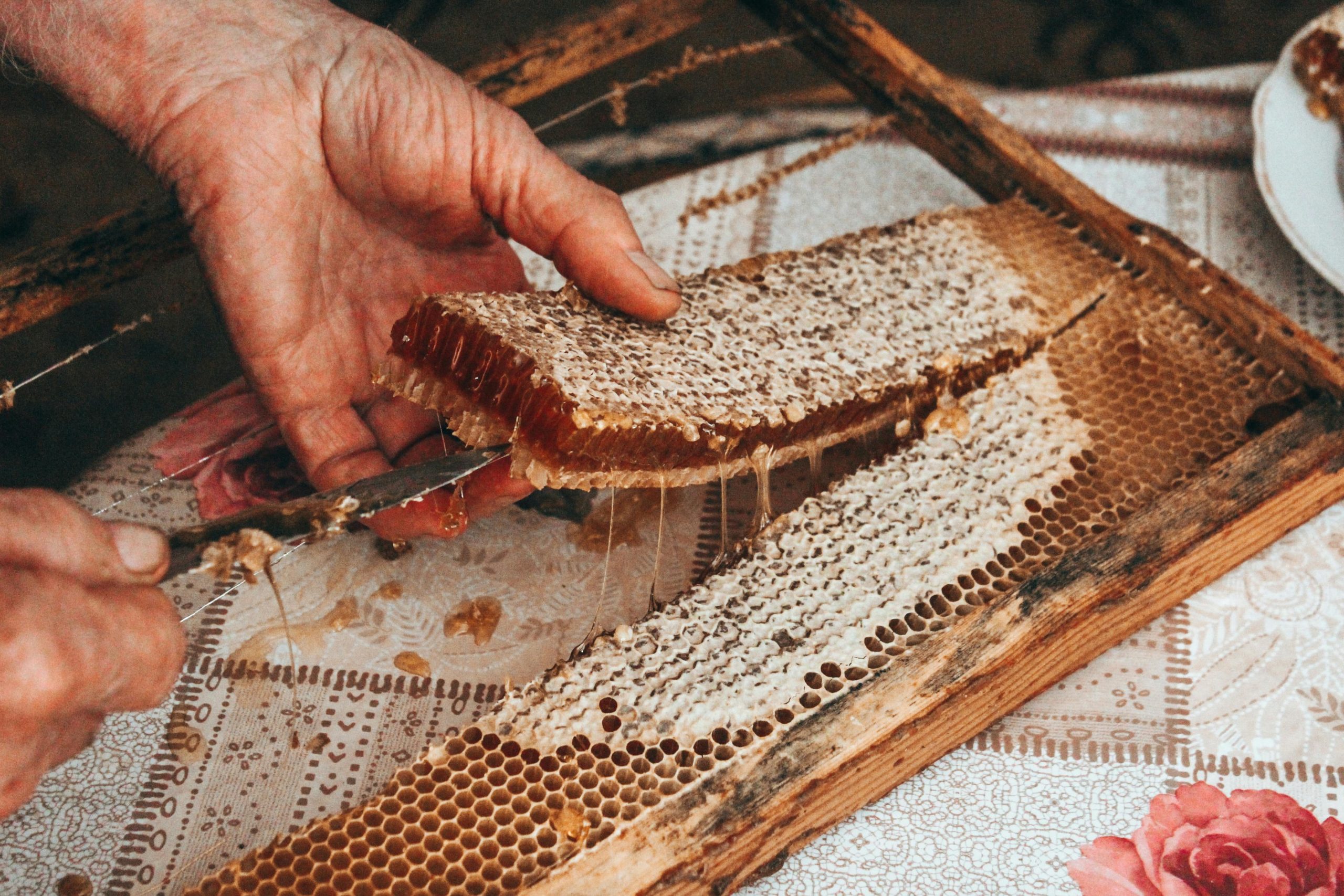
- Harvest Honey: Check the supers for fully capped honey and harvest when appropriate. Ensure you leave enough honey for the bees’ own consumption, particularly in areas with limited nectar flows.
- Provide Water: Bees need water for cooling the hive and diluting honey. Ensure they have access to a nearby water source during hot summer days.
- Pest Monitoring: Watch for pests like the small hive beetle (SHB) and wax moths, which thrive in warmer temperatures.
Autumn: Preparing for the Cooler Months
As autumn sets in, nectar flows reduce, and the colony prepares for winter. This is the time to assess the health of your bees and ensure they have sufficient honey stores.
- Reduce Hive Size: In cooler climates, reduce the size of the hive by removing empty supers to help the bees conserve heat.
- Check Honey Stores: Make sure the bees have enough stored honey to last through winter, especially in southern Australia where winter can be cold and nectar sources are scarce.
- Disease Check: Inspect for any signs of disease such as chalkbrood, European foulbrood, or other issues that can weaken the hive during winter.
Winter: Hive Survival and Minimal Disturbance
In many parts of Australia, bees remain relatively active during the winter months, although activity slows down. In cooler regions, colonies cluster together to conserve warmth.
- Minimal Intervention: Avoid opening the hive too often in winter, as it can disturb the bees and cause them to lose precious heat.
- Monitor for Pests: Keep an eye out for pests like SHB, which can still be a threat even during winter months.
- Feeding Bees (If Necessary): If the bees have depleted their honey stores, consider feeding them sugar syrup or fondant as a temporary supplement.
Managing Common Pests and Diseases in Australian Bee Hives
Australia’s relatively pest-free environment compared to other parts of the world is one of its advantages for beekeepers. However, beekeepers still face challenges from pests and diseases. Here are the most common threats and how to manage them.
Small Hive Beetle (SHB)
The small hive beetle is a significant pest in Australia, particularly in warm, humid climates. SHB larvae tunnel through the comb, destroying honey and brood.
- Prevention: Maintain strong, healthy colonies, as weaker colonies are more susceptible to SHB infestations.
- Traps: Place beetle traps in your hive, which can be filled with oil or diatomaceous earth to capture beetles.
- Reduce Moisture: Ensure good hive ventilation to reduce moisture, as SHB thrives in humid environments.
Varroa Mite
While Australia remains one of the few countries free from the Varroa mite, the potential introduction of this deadly pest is always a concern. Regular inspections and following biosecurity measures are essential to keep this invasive pest at bay.
Wax Moths
Wax moths are another pest that can damage comb, particularly in weak or poorly maintained hives.
- Prevention: Keep hives strong and well-populated. Wax moths generally only infest weak hives or abandoned frames.
- Storage: Store unused frames in a cool, dry location to prevent wax moth infestations.
Diseases
Australia’s biosecurity system has helped prevent the spread of several bee diseases. However, some diseases like American foulbrood (AFB) and European foulbrood (EFB) are still concerns.
- Disease Management: Regular hive inspections, maintaining good hygiene, and promptly removing infected frames can help manage these diseases.
- Biosecurity Practices: Always follow biosecurity guidelines, including regular hive inspections, keeping equipment clean, and avoiding the introduction of bees or materials from infected hives.
Hive Location and Environmental Considerations
Where you place your hive can have a significant impact on its success. Consider the following factors when setting up or maintaining your hive:
- Sunlight and Shade: In hot climates, ensure your hive receives some afternoon shade to prevent heat stress. In cooler climates, placing the hive in full sun can help keep the bees warm.
- Wind Protection: Hives should be sheltered from strong winds, which can disrupt bees’ foraging patterns and cause the hive to lose heat in colder months.
- Water Source: Bees need water for cooling the hive and diluting honey. A shallow water source with stones or a floating surface can help prevent bees from drowning.
Legal Requirements and Biosecurity in Australian Beekeeping
Beekeeping in Australia is regulated to protect both bees and agriculture from disease and pests. As a beekeeper, you have legal responsibilities to ensure biosecurity and the health of your hives.
- Hive Registration: In many states and territories, beekeepers must register their hives with local authorities. This helps track and manage disease outbreaks.
- Biosecurity Code of Practice: Beekeepers in Australia are required to follow the Australian Honey Bee Industry Biosecurity Code of Practice, which outlines best practices for maintaining healthy hives and preventing the spread of pests and diseases.
- Hive Inspections: Conduct regular inspections for signs of disease, pests, or other issues that could impact the colony’s health.
Supporting Native Bee Populations
While much of Australia’s beekeeping industry focuses on the European honey bee, native bees also play a crucial role in the ecosystem. There are over 1,700 species of native bees in Australia, many of which are solitary or live in small colonies.
- Attracting Native Bees: Planting native flowers and providing nesting sites like bee hotels can support local native bee populations.
- Native Stingless Bees: In warmer regions, some beekeepers also raise Tetragonula or Austroplebeia stingless bees, which produce small amounts of honey and are excellent pollinators.
Conclusion
Maintaining healthy bee hives in Australia requires a mix of seasonal management, pest control, and biosecurity awareness. With proper care, beekeepers can enjoy the rewards of honey production while supporting vital pollinator populations. Whether you’re managing a backyard hive or running a small apiary, understanding the needs of your bees and adapting to Australia’s unique climate and flora will ensure your hives remain strong and productive.
Want to share your beekeeping experiences or have any questions? Drop your comments below and let’s keep the conversation buzzing!