
A Guide to Extracting Honey from an Australian Beehive: Traditional Beekeeping Methods
Australia is home to a unique variety of ecosystems that support the production of delicious honey, from eucalyptus-rich forests to wildflower-covered plains. Whether you’re a seasoned beekeeper or just starting your journey, understanding how to properly extract honey from an Australian beehive is essential for ensuring both a healthy colony and a bountiful harvest. In this article, we’ll explore traditional honey extraction methods and offer tips for a smooth and successful honey harvest.
The Basics of Australian Beekeeping
Australian beekeeping, primarily focused on the European honey bee (Apis mellifera), has a long history. Honey production here benefits from the country’s diverse flora, including iconic trees like eucalyptus, which give Australian honey its distinct flavor. Before diving into honey extraction, it’s important to ensure your bees and hive are healthy and ready for harvesting.
When to Harvest Honey in Australia
The ideal time to harvest honey in Australia depends on the region and climate, but typically, honey harvesting occurs in late spring through early autumn. During this time, flowers are abundant, and bees are actively collecting nectar. It’s crucial to ensure the bees have filled and capped the honeycombs with wax, which signals that the honey is fully ripened and ready for extraction.
Supplies You’ll Need
While modern beekeeping has evolved with innovations like Flow Hive, many beekeepers still rely on traditional methods. To extract honey from a standard Langstroth or other conventional hives, you’ll need the following:
- Bee Suit or Veil: Essential for protection from bee stings.
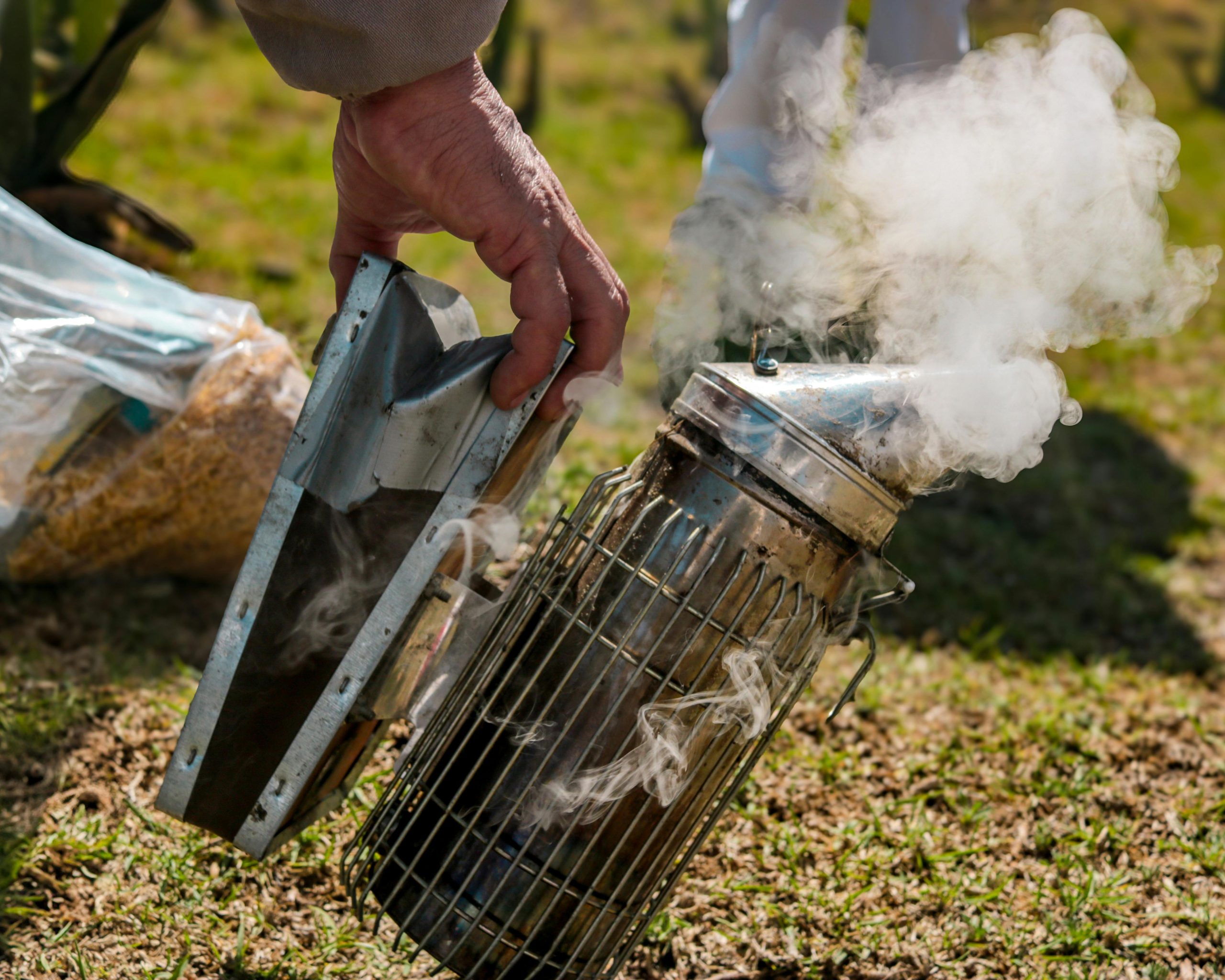
- Smoker: A smoker calms the bees, making hive inspection and extraction easier.
- Hive Tool: This is used to pry open frames and scrape off wax or propolis.
- Extractor: A centrifugal honey extractor spins the frames to release the honey.
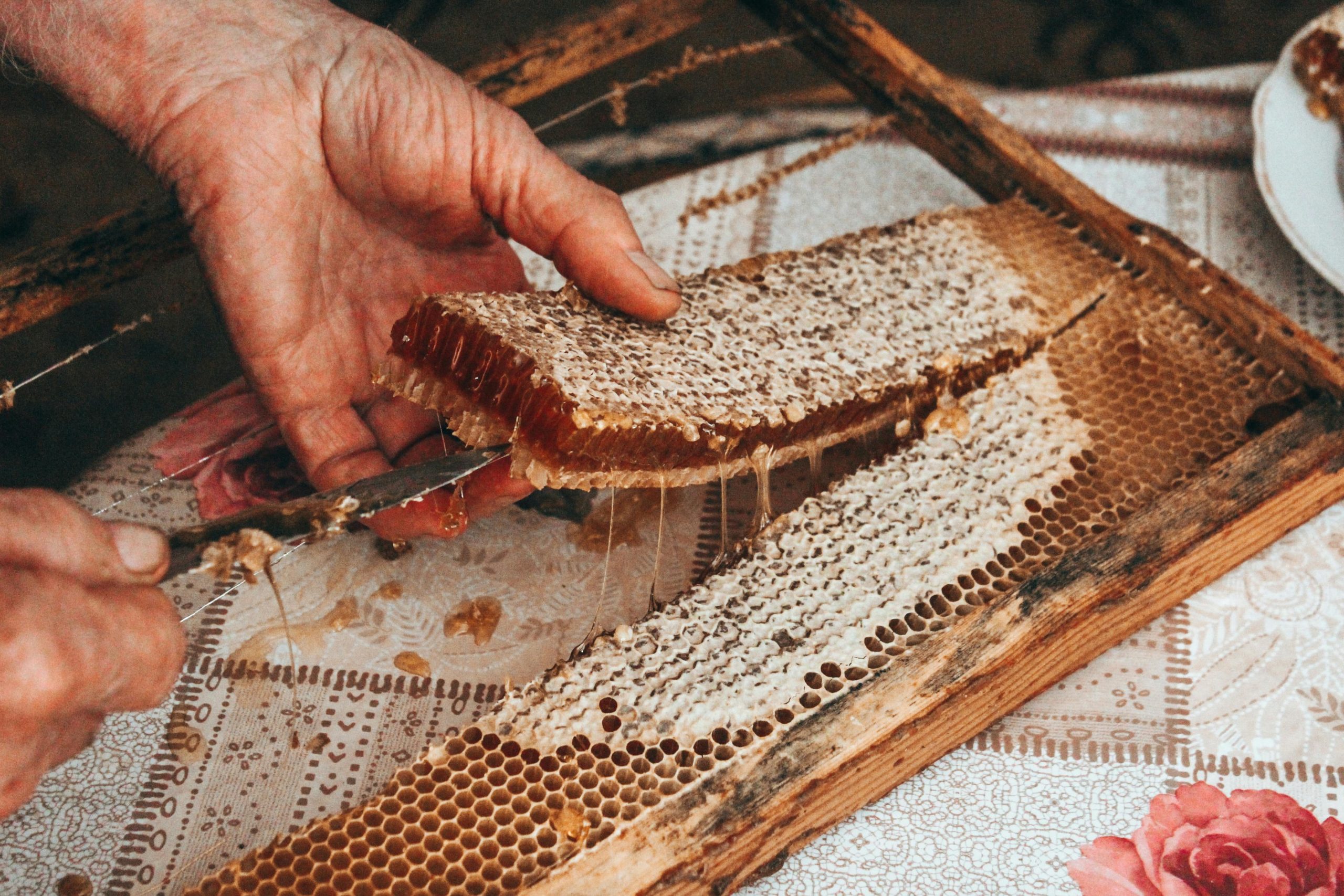
- Uncapping Knife or Fork: Used to remove the wax cappings from the honeycomb.
- Honey Collection Bucket or Jar: Clean and sterilized containers to store your fresh honey.
- Sieve or Strainer: Used to filter out any debris, such as wax particles or bee parts.
Step-by-Step Guide to Extracting Honey from an Australian Beehive
Step 1: Preparing for Harvest
Before extracting honey, make sure your hive is ready for harvesting. Open the hive and inspect the frames. Only extract honey from frames that are at least 80-90% capped with wax, ensuring the moisture content in the honey is low enough to prevent fermentation.
Step 2: Using the Smoker
Light your smoker and puff some smoke gently at the hive entrance and around the top frames. Smoke causes the bees to become less defensive by encouraging them to move away from the hive entrance and into the lower parts of the hive, making the extraction process easier.
Step 3: Removing Honey Frames
Using your hive tool, gently pry out the frames from the super (the box where honey is stored). Be careful not to damage the comb. Place the frames in a sealed container or transport them in a covered frame holder to your extraction area to prevent bees from following the scent of honey.
Step 4: Uncapping the Honeycomb
Now that you have the honey-filled frames, it’s time to remove the wax caps from the honeycomb. Using an uncapping knife or fork, gently scrape or slice off the thin layer of wax that covers the honey-filled cells. Collect the cappings, as they can be used later to make beeswax products like candles or lip balm.
Step 5: Extracting the Honey
Place the uncapped frames into a honey extractor. The extractor works using centrifugal force: as you spin the frames, the honey is flung out of the comb and collects at the bottom of the extractor. This step can be done manually or with an electric extractor, depending on the type of equipment you have.
Step 6: Filtering and Bottling the Honey
Once the honey is extracted from the frames, it will flow out of the extractor’s spout. As it flows into your collection container, run it through a sieve or strainer to remove any impurities like bits of wax, propolis, or stray bees. After filtering, your honey is ready to be stored. Pour the honey into sterilized jars or containers, seal them tightly, and store them at room temperature.
Step 7: Returning Frames to the Hive
After extraction, you can return the empty frames to the hive. The bees will clean up any remaining traces of honey and start refilling the comb with nectar. This also saves them the effort of building new comb, which is resource-intensive.
Post-Extraction Hive Care
Ensure the Bees Have Enough Honey
It’s important to leave enough honey in the hive for the bees to survive, especially during the cooler months when nectar sources are scarce. A common rule of thumb is to leave about 15-20 kg of honey for the bees to consume through the winter.
Hive Maintenance
After harvesting honey, check for signs of disease, pests, or poor hive conditions. In Australia, beekeepers need to be vigilant about pests like the small hive beetle and diseases such as American foulbrood. Regular hive inspections can help prevent problems before they affect your bees.
Tips for Successful Honey Extraction
- Harvest at the Right Time: Never harvest honey too early. Immature honey has a higher water content, making it more prone to fermentation.
- Avoid Over-Harvesting: Bees need honey to survive, especially in the colder months. Always ensure they have enough stores left in the hive.
- Use a Smoker Sparingly: While a smoker is helpful, too much smoke can stress the bees. Use just enough to calm them without overwhelming the colony.
- Practice Good Hygiene: Honey is a food product, so cleanliness is crucial during the extraction process. Make sure all tools and containers are properly sanitized.
The Australian Honey Industry
Australia is a key player in the global honey industry, known for producing high-quality, pure honey. Some of the most popular varieties include eucalyptus, leatherwood, and Manuka honey, each offering unique flavors and potential health benefits. Australian honey is also celebrated for its relatively low exposure to pesticides and diseases that plague beekeepers in other parts of the world.
Conclusion
Extracting honey from an Australian beehive is a rewarding process that connects you with nature and the ancient art of beekeeping. Whether you’re running a small backyard hive or managing a larger operation, the key to successful honey extraction lies in timing, care for the bees, and maintaining good hygiene. With the right approach, you’ll enjoy pure, delicious honey and contribute to the vital work of supporting bee populations, which are crucial for maintaining Australia’s ecosystems and agriculture.
So, put on your bee suit, fire up your smoker, and get ready to experience the sweetness of Australian honey, straight from your hive to your jar!