
What is beekeeping all about?
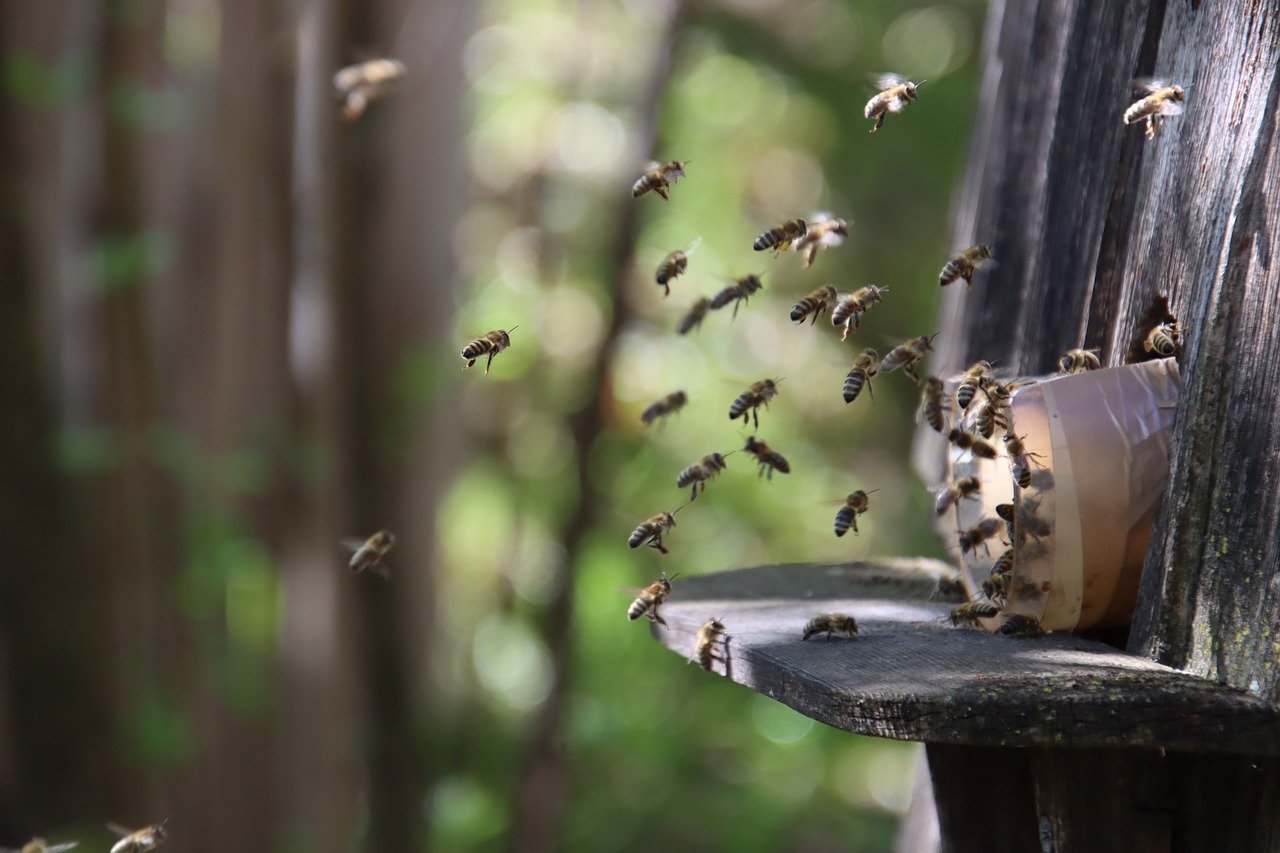
Home beekeeping is gaining popularity in Australia, and for good reason. Whether it’s for a sustainable source of honey, pollination for your garden, or simply a desire to help the environment, backyard beekeeping can be a rewarding and fascinating hobby. With Australia’s diverse flora and favorable climate, it’s an ideal place for beekeeping, even at home. If you’ve ever been curious about how to get started, here’s a guide to help you dive into this buzzworthy pursuit.
Why Consider Beekeeping?
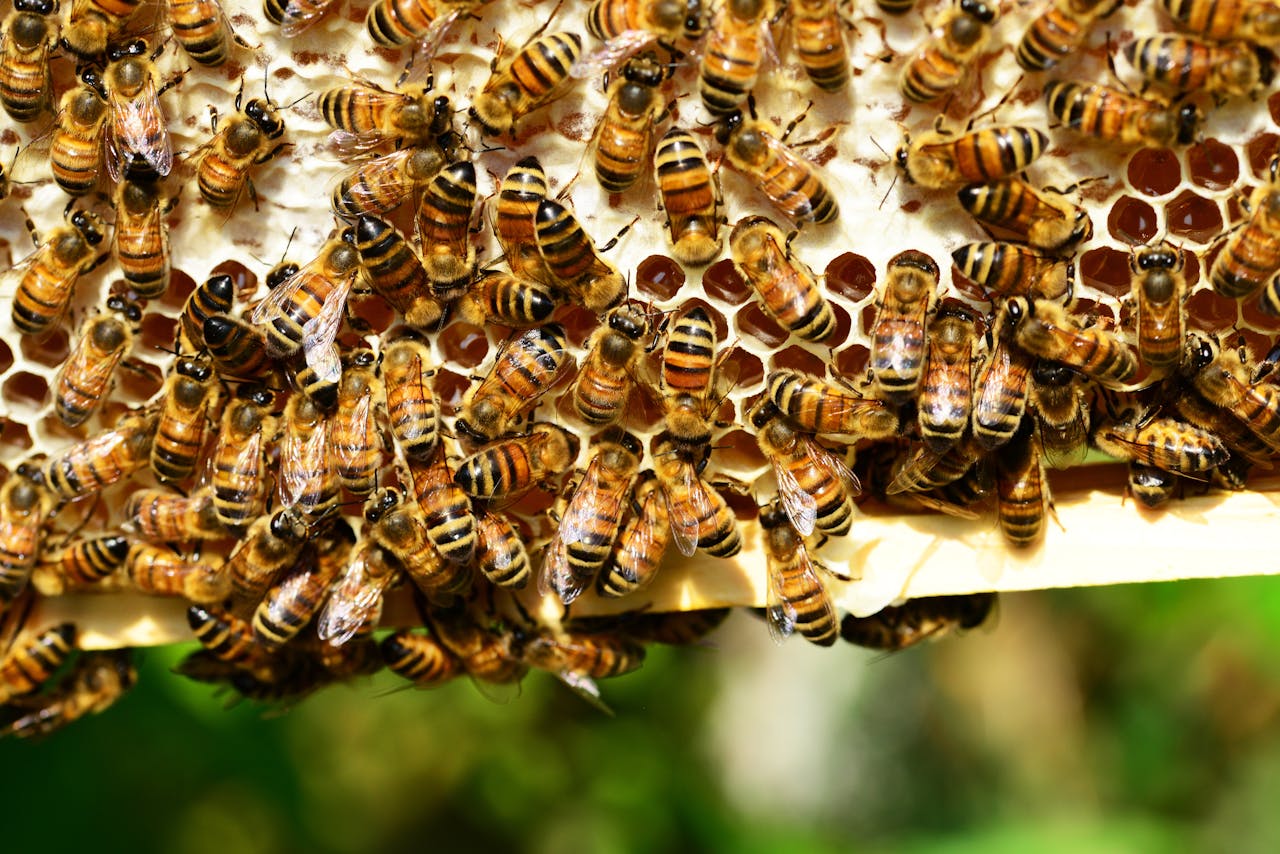
A Fascinating Hobby: Beekeeping offers the chance to learn about the complex world of bees. Watching a hive thrive and understanding its inner workings is an enriching experience.
Fresh Honey: There’s nothing quite like harvesting your own honey, straight from the hive. Not only will you know exactly where it came from, but you’ll also experience the freshest honey with its full, natural flavor intact.
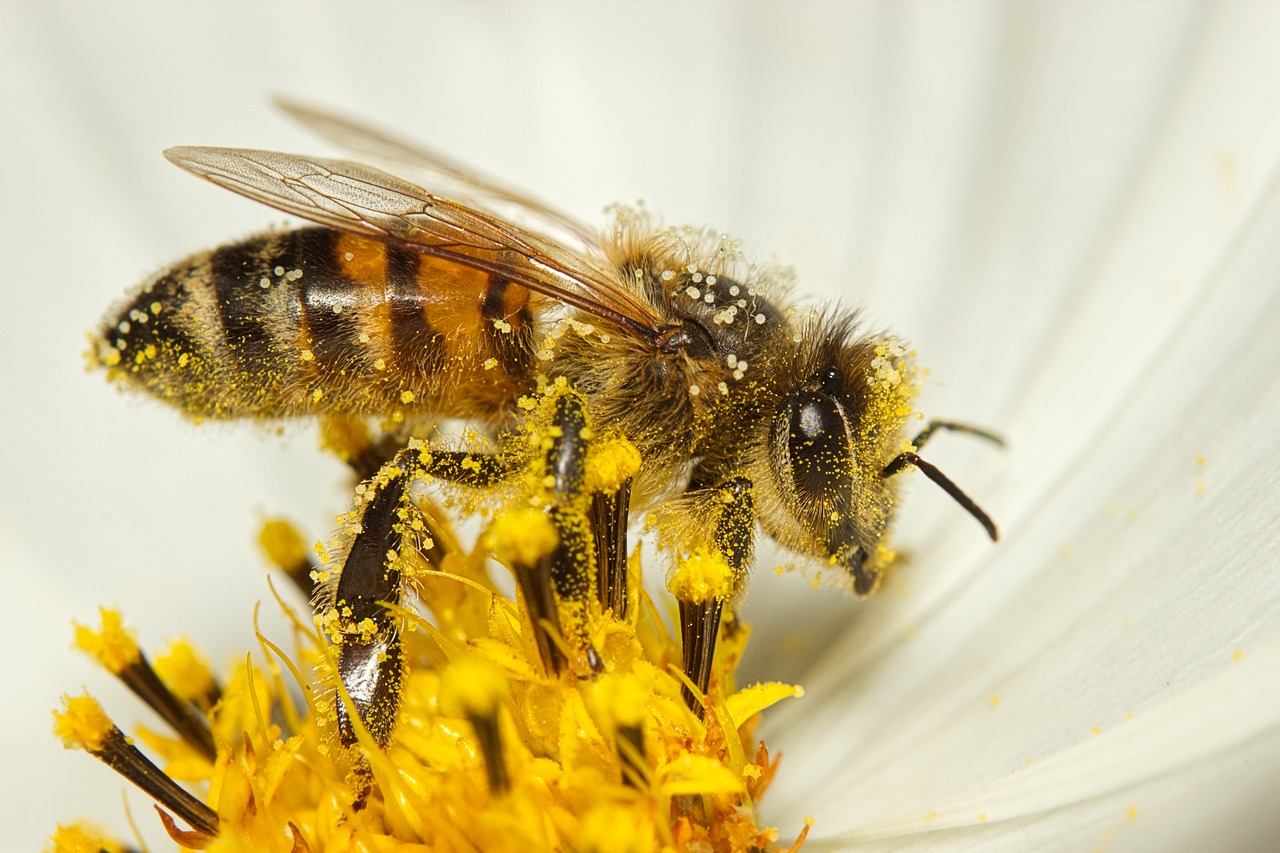
Supporting Pollination: Bees play a vital role in the pollination of many plants, including fruits, vegetables, and flowers. By maintaining a hive, you help improve local biodiversity and support the health of your garden and surrounding environment.
Environmental Impact: With concerns about declining bee populations due to habitat loss, pesticides, and climate change, home beekeeping can be a small yet meaningful way to help sustain bee numbers and support your local ecosystem.
Can I Keep Bees in My Backyard?
Yes, many Australians keep bees in urban, suburban, and rural settings! However, there are a few considerations:
Hive registration: In most Australian states, including New South Wales and Victoria, you’re required to register your beehive with the government. This ensures biosecurity measures are met and allows you to be informed about any potential risks, such as disease outbreaks.
Local regulations: Check with your local council or state laws, as different areas in Australia have specific rules regarding beekeeping. For example, in some urban areas, you may need a permit, while rural regions often have more relaxed rules.
Neighbors: Be mindful of your neighbors. A well-placed hive (away from high-traffic areas) can prevent any unwanted encounters between bees and people.
What You’ll Need to Start
- A Hive: The most common type for beginners is the Langstroth hive, known for its simplicity and ease of use. You can also consider a Flow Hive, an Australian invention that allows honey to be harvested without disturbing the bees.
- Protective Gear: A good quality bee suit with gloves and a veil is essential. Bees are generally docile, but it’s best to take precautions when working near the hive.
- Smoker: A smoker helps calm the bees while you inspect or work on the hive, making it easier for you and less stressful for the bees.
- Basic Tools: A hive tool (for separating hive components) and a bee brush (for gently moving bees) are essential.
- Bees: You’ll need to source bees from a reputable supplier. You can buy a nucleus colony (a small, established colony with a queen) to get started.
How to Care for Your Hive
- Location: Bees need sunlight and shelter from strong winds, so place your hive in a sunny, protected spot. It should also be elevated off the ground and positioned near flowering plants.
- Feeding: While bees usually find their own food, it’s a good idea to provide supplemental feeding (sugar syrup) during times when flowers are scarce.
- Regular Inspections: You should inspect your hive every couple of weeks to check for diseases, pests, or swarming behavior. Swarming occurs when a hive becomes overcrowded, and the bees split into two colonies. This can be managed by expanding the hive when necessary.
- Water Source: Bees need a consistent water source, especially in hot climates. Providing a shallow water dish with rocks or floating corks can help keep them hydrated.
- Pest Management: In Australia, beekeepers need to be vigilant about pests like the small hive beetle and diseases like American foulbrood. Regular inspections and good hive hygiene will help prevent these problems.
Australian Native Bees vs. European Honey Bees
While the European honey bee is the most common species kept by beekeepers for honey production, Australia is home to over 1,700 species of native bees. Some native species, like the stingless bee (Tetragonula carbonaria), are suitable for home beekeeping, particularly in warmer regions. Native bees don’t produce as much honey, but they are excellent pollinators and require less maintenance than honey bee hives.
The Best Plants for Bees
One of the best parts of home beekeeping is watching bees forage in your garden. To support your bees and attract them to your hive, plant bee-friendly flowers and plants such as:
- Lavender
- Eucalyptus
- Bottlebrush
- Grevillea
- Native flowering gums
- Borage
Australian native plants are particularly beneficial for your local bee population. The more diverse your garden, the healthier your hive will be.
Final Thoughts
Home beekeeping is an enjoyable and environmentally friendly hobby that comes with the added benefit of fresh, local honey. With a bit of planning and care, your backyard can become a thriving haven for bees, contributing to your garden’s success and the broader ecosystem.
If you’re ready to start your own beekeeping journey, make sure to do plenty of research, connect with local beekeeping communities, and, most importantly, enjoy the process. There’s nothing quite like seeing your first jar of honey, knowing it came from your own buzzing backyard.